Выставка «Завоеватели Земли»
 Выставка «Завоеватели Земли» посвящена истории развития жизни на Земле за последние 600 млн лет, которые представлены двумя неравными по продолжительности этапами: криптозоем (время скрытой жизни) и фанерозоем (время явной жизни). На переходе между ними находится ВЕНД (600–535 млн. лет назад) – самый загадочный период в истории жизни, когда появились мягкотелые существа – одни из первых известных бесскелетных многоклеточных животных. Это так называемая эдиакарская фауна, впервые найденная в конце XIX века в С. Америке и широко известная по местонахождениям в Ю. Африке и Австралии. В России она обнаружена в Сибири, на Урале и в Архангельской области, где древние осадочные породы сохранили отпечатки тел, напоминающие диски с концентрическим рельефом, сегментированные ленты или листья папоротников. Размеры этих организмов были различны (от нескольких сантиметров до полутора метров), а тела состояли только из мягких тканей. Взаимосвязь этих крупных мягкотелых организмов и мелких скелетных животных, появляющихся на всей Земле в начале кембрия, представляют одну из самых интригующих загадок современной зоологии и составляют предмет интенсивных исследований ученых разных стран. Сотрудниками Палеонтологического института РАН собрана крупнейшая в мире коллекция вендской фауны, которая на сегодняшний день не знает себе равных по разнообразию и типу сохранности. Часть этой коллекции – уникальные находки с Зимнего берега Белого моря показаны на нашей выставке.
Вторая часть выставки представляет жизнь на Земле от каменноугольного до палеогенового периода (интервал от 350 до 40 млн. лет назад). Показать все многообразие форм жизни этого интервала времени в одной экспозиции невозможно, поэтому была выбрана только одна, но самая многочисленная и самая разнообразная группа организмов – членистоногие.
Палеонтологический институт РАН – единственное в мире учреждение, где в течение многих десятилетий (с 1936 г. доныне) существует специальная лаборатория по изучению ископаемых насекомых и собраны огромные коллекции объёмом более 250 тысяч экземпляров. Из них отобраны экспонаты для нашей выставки.
Выставка «Завоеватели Земли» посвящена истории развития жизни на Земле за последние 600 млн лет, которые представлены двумя неравными по продолжительности этапами: криптозоем (время скрытой жизни) и фанерозоем (время явной жизни). На переходе между ними находится ВЕНД (600–535 млн. лет назад) – самый загадочный период в истории жизни, когда появились мягкотелые существа – одни из первых известных бесскелетных многоклеточных животных. Это так называемая эдиакарская фауна, впервые найденная в конце XIX века в С. Америке и широко известная по местонахождениям в Ю. Африке и Австралии. В России она обнаружена в Сибири, на Урале и в Архангельской области, где древние осадочные породы сохранили отпечатки тел, напоминающие диски с концентрическим рельефом, сегментированные ленты или листья папоротников. Размеры этих организмов были различны (от нескольких сантиметров до полутора метров), а тела состояли только из мягких тканей. Взаимосвязь этих крупных мягкотелых организмов и мелких скелетных животных, появляющихся на всей Земле в начале кембрия, представляют одну из самых интригующих загадок современной зоологии и составляют предмет интенсивных исследований ученых разных стран. Сотрудниками Палеонтологического института РАН собрана крупнейшая в мире коллекция вендской фауны, которая на сегодняшний день не знает себе равных по разнообразию и типу сохранности. Часть этой коллекции – уникальные находки с Зимнего берега Белого моря показаны на нашей выставке.
Вторая часть выставки представляет жизнь на Земле от каменноугольного до палеогенового периода (интервал от 350 до 40 млн. лет назад). Показать все многообразие форм жизни этого интервала времени в одной экспозиции невозможно, поэтому была выбрана только одна, но самая многочисленная и самая разнообразная группа организмов – членистоногие.
Палеонтологический институт РАН – единственное в мире учреждение, где в течение многих десятилетий (с 1936 г. доныне) существует специальная лаборатория по изучению ископаемых насекомых и собраны огромные коллекции объёмом более 250 тысяч экземпляров. Из них отобраны экспонаты для нашей выставки.
С точки зрения большинства людей, крупные животные более впечатляющи, нежели их меньшие собратья, однако все знают, что, например, муравьи неизмеримо многочисленнее, чем слоны или медведи, хотя и не такие заметные. Насекомые малы, но их совокупная биомасса значительно превосходит биомассу больших существ. Но насекомые не только исключительно многочисленны, они еще и чрезвычайно разнообразны. Век наиболее известных ископаемых, динозавров, начался 220 и закончился 65 миллионов лет назад. Это очень большой срок по сравнению с двумя или тремя миллионами лет человеческой истории, если отсчитывать ее от древних человекообразных обезьян. Век насекомых начался 300 миллионов лет назад, и никто не может сказать, когда он закончится. Другие же членистоногие появились еще раньше.

| 
| 
| 
|
Экспозиция выставки двуплановая. С одной стороны, это натуральные ископаемые объекты ― вендские организмы,членистоногие, главным образом насекомые и растения, захороненные в донных осадках древних водоемов (представленно более 100 экз.). С другой стороны, выставка иллюстрирована цветными реконструкциями и фотографиями животных, растений и ландшафтов прошлых геологических эпох (более 150 иллюстраций). Фотографии как увеличительные стекла позволяют видеть все детали захороненных организмов, а цветные реконструкции помогают реально представить всю красоту природы и насекомых прошлых эпох.
Экспозиция знакомит с остатками древнейших членистоногих ― трилобитов, ракообразных и ракоскорпионов, найденных в отложениях кембрийских, ордовикских и силурийских морей. Далее показан удивительный мир первых карбоновых крылатых насекомых, почти полностью вымерших к настоящему времени.
Гораздо более подробно рассказывается о пермском, триасовом, юрском и меловом периодах. Сменяя крупных и неповоротливых карбоновых насекомых, на историческую сцену выходят насекомые более мелкие, разнообразные и более похожие на современных. Появляются паразитические и кровососущие формы, а с появлением покрытосеменных растений между ними и насекомыми устанавливаются тесные взаимоотношения.


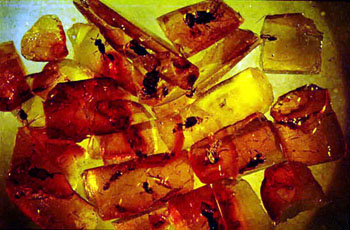
Легенда рассказывает о происхождении янтаря из застывших слез безутешных гелиад, дочерей Солнца, оплакивающих своего погибшего брата. Это красивая легенда, но на самом деле янтарь представляет собой окаменевшую смолу древних растений. Янтарь известен людям с античного времени, а к настоящему времени ученые открыли множество разновидностей «солнечного камня». Лаборатория артропод имеет большой опыт работы с включениями (инклюзами) насекомых в ископаемых смолах, и последний раздел экспозиции посвящен насекомым из ископаемых смол и образцам янтаря, в которых благодаря подсветке видны включения. Воссоздается микромир «янтарных» лесов с натеками древней смолы и заключенными в них органическими остатками. Помимо балтийского янтаря, представлены позднемеловые смолы с полуострова Таймыр. Размер многих включений зачастую не превышает одного миллиметра, но благодаря особенностям сохранности видны мельчайшие детали насекомых. Раздел иллюстрирован крупноформатными слайдами с найденными в смолах ископаемыми насекомыми.

Все экспонаты и иллюстрации сопровождаются подробными сведениями не только о систематической принадлежности и геологическом возрасте данных объектов, но и об особенностях их биологии и экологии.
Наряду с каменным материалом на выставке представлены фотографии и научные реконструкции вендских организмов, выполненные профессором М.А. Федонкиным и старшим научным сотрудником А.Ю. Иванцовым, реконструкции ископаемых насекомых, выполненные художниками по эскизам профессора А.Г. Пономаренко. Также на выставке экспонируются палеоботанические образцы и их художественные реконструкции.
Организаторы надеются, что выставка заинтересует посетителей и позволит взглянуть на историю органической жизни на Земле с новой точки зрения, а помещенная в начало экспозиции геохронологическая шкала будет той лесенкой, которая облегчит путь познания. К экспозиции прилагается слайдфильм «Экспедиции за древними насекомыми» и видеофильм «Мир насекомых». К настоящему времени выставку «Завоеватели Земли» посетили более 20 тысяч человек в Москве, Рыбинске, Владимире, Воронеже, Электростали, Павловском Посаде, Раменском, Калининграде, Архангельске, Подольске, Чебоксарах и Казани.
Раздел подготовлен И.Д. Сукачевой и М.Б. Мостовским